The brief
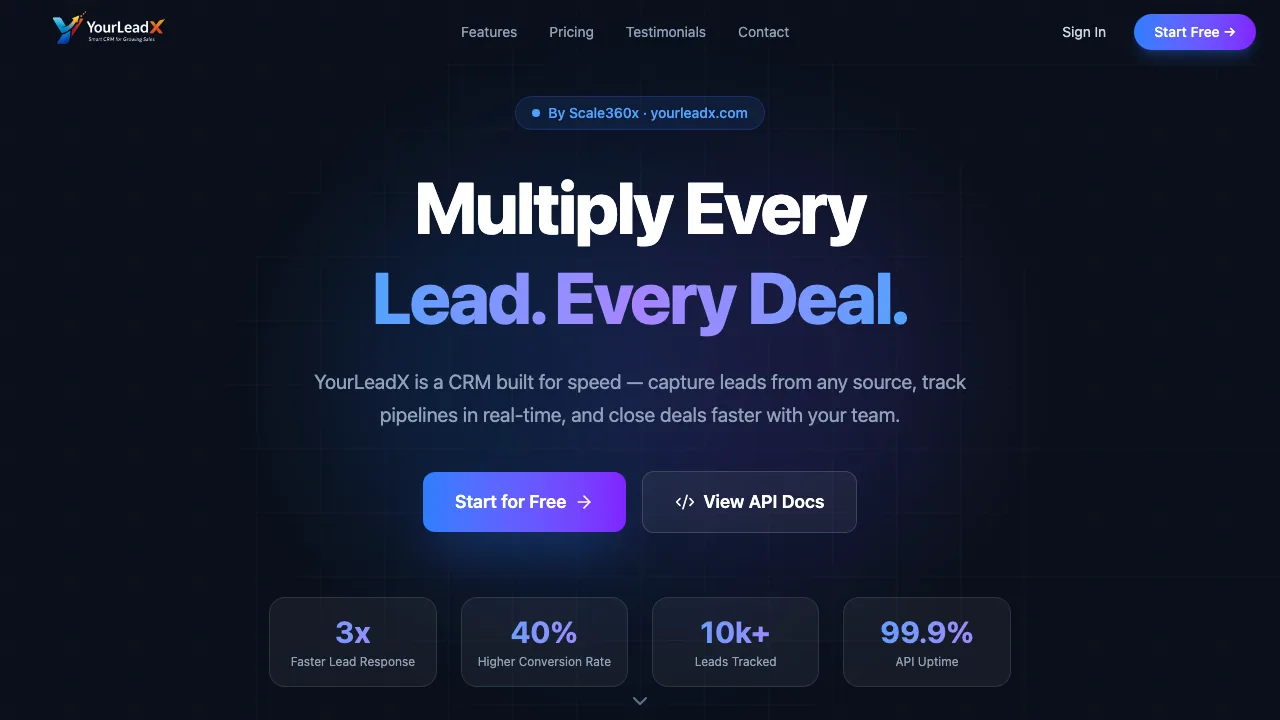
Most small sales teams run on three things that do not talk to each other: a website form, a spreadsheet and WhatsApp. Leads arrive, get copied once, and then live in someone's chat history until they go cold. We wanted a CRM that treated WhatsApp as a first-class channel rather than an afterthought, and that could run several businesses on one deployment without a separate install for each.
What we built
Multi-tenant from the first commit
One instance serves many businesses, each with isolated data, its own users and its own pipeline configuration. Retrofitting tenancy later is a rewrite, so it was designed in before anything else.
Routing and scoring rules
Incoming leads are assigned by rule rather than by whoever notices first, and scored so the sales team works the pipeline in the order that matters.
WhatsApp follow-up in the pipeline
Follow-ups happen on the channel Indian buyers actually reply on, with the conversation attached to the lead record instead of stranded on a salesperson's phone.
Pipeline reporting out of the box
Stage-by-stage visibility and conversion reporting without a BI project bolted on afterwards.
Where it stands today
LeadX runs multiple businesses on a single instance today, and it is the CRM our own sales pipeline runs on — which is why we can say the handover works: we live with the same code we ship.